
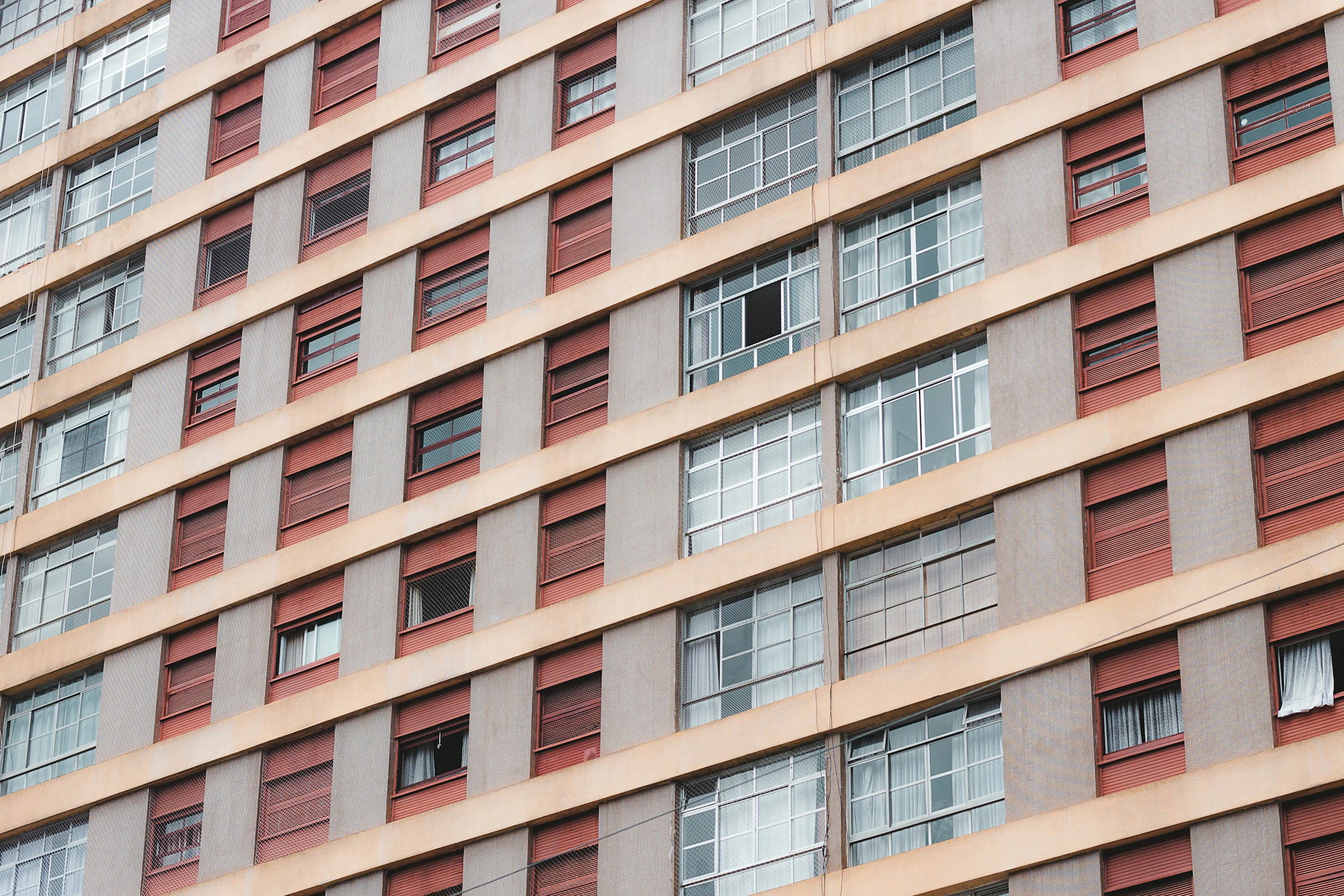
Public housing (VPO) offers an opportunity to access a home at a more affordable price, but it is also subject to specific regulations that affect both buyers and sellers. If you’re thinking about buying a VPO or selling the one you already have, it’s important to understand what restrictions exist and what you should check before finalizing the transaction.
Buying a publicly protected home means acquiring a property whose price and terms are regulated by the Administration for a specific period. Unlike a free-market home, a VPO is intended to make access to housing easier for people who meet certain requirements, so the purchase and sale isn’t always carried out with the same freedom.
Depending on the autonomous community and the protection regime, the buyer may have to prove that their income is within maximum limits, may not be able to own another property, and may be required to use the home as their usual and permanent residence.
Before buying a VPO, it’s advisable to check:
Whether the home is still protected or has already been declassified.
What restrictions affect the purchase and sale.
Whether there is a legally established maximum transfer price.
What documentation the seller must provide.
Whether any administrative authorization is required in order to complete the sale.
Knowing this information helps you avoid surprises and carry out the transaction with legal certainty.
One of the most common mistakes is thinking that a protected home can be sold just like any other property. In reality, as long as the VPO retains its protection regime, there may be specific obligations for the owner.
Among them, the most notable include:
In many VPOs, it isn’t possible to set the sale price freely. The regulations may establish a maximum amount based on factors such as the floor area, location, year of classification, and others.
In some cases, before selling the home you must notify the operation or request authorization from the competent authority. There may also be a right of first refusal on the part of the Administration or certain buyers who meet the legal requirements.
Not all protected homes maintain the same restrictions for the same length of time. Some keep their protection regime for several decades, while others may be declassified once the period set out in the regulations has elapsed. Knowing whether the home is still protected is one of the first steps before putting it up for sale.
In any VPO purchase-and-sale transaction, it’s important to review several key points:
The home’s protection regime.
The classification date and the duration of the protection.
The maximum sale price, if applicable.
Any public assistance received and whether it must be repaid in certain cases.
The need for authorizations or administrative notifications.
The documentation required to finalize the purchase and sale.
A prior review helps prevent delays, issues during the signing, or possible legal problems once the transaction has been completed.
It depends on each case. Some homes can lose their protected status once the protection period ends or through a declassification procedure provided for by the applicable regulations. However, not all VPOs can be declassified, and the requirements vary depending on the autonomous community and the type of development.
For this reason, before starting the sale, it’s advisable to confirm the home’s legal status to know exactly which restrictions are still in force.
Buying and selling protected homes requires reviewing administrative and legal aspects that don’t exist when dealing with a free-market home. Both buyers and sellers can benefit from specialized advice to verify the documentation, check the home’s status, and ensure that the transaction complies with current regulations.
With a real estate agency experienced in this type of property, it’s possible to receive guidance throughout the entire process—from the initial valuation of the home to the signing of the deed—providing peace of mind to both parties.
Buying or selling a VPO is absolutely possible, but it requires understanding the particularities of this type of home. While the buyer must ensure they meet the requirements and understand the existing restrictions, the seller needs to verify whether they can transfer the home, under what conditions, and for what amount.
Getting informed before starting the transaction and having the support of specialized professionals helps you avoid issues and complete the purchase and sale with all the guarantees.